← Work2024–25

Cultural Institutions

Museum Exhibit Design

From Court to Collar: Journey of the Kamarbandh. An exhibition concept for FIT following an Indian court garment into present day fashion.

DisciplineExhibition
CategoryCultural Institutions
Year2024–25
StatusCompleted

Included Works

  • From Court to Collar — Journey of the Kamarbandh
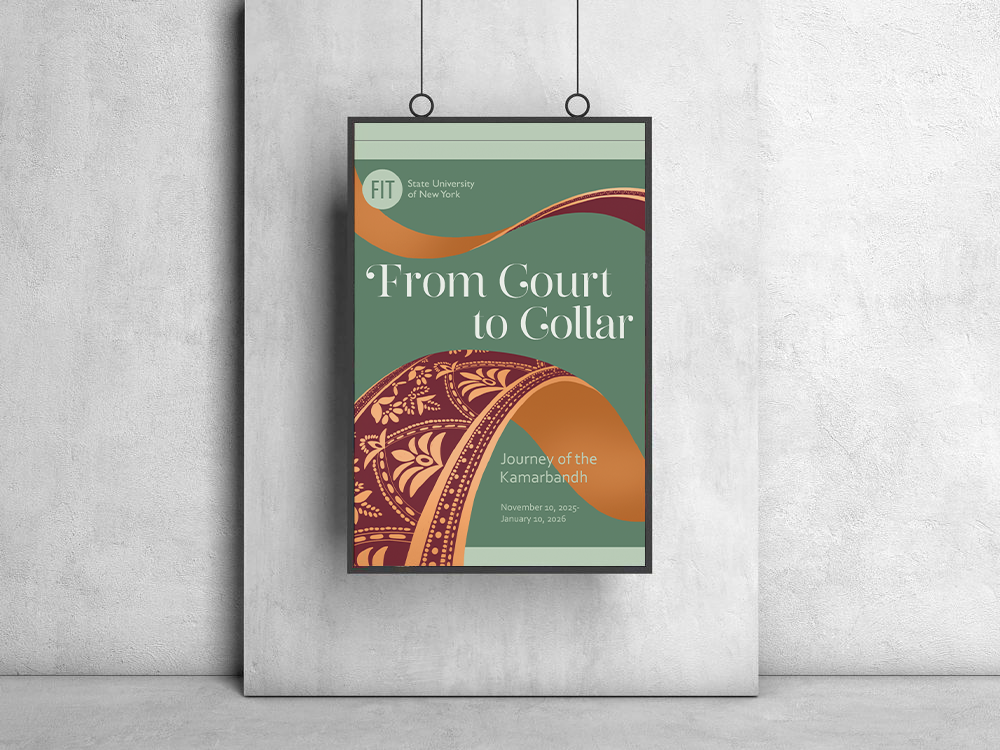
From Court to Collar exhibition poster, Journey of the Kamarbandh

Overview

From Court to Collar: Journey of the Kamarbandh. An exhibition concept for FIT, State University of New York, following the ornamental waist belt of Indian court dress from the 16th century to the present.

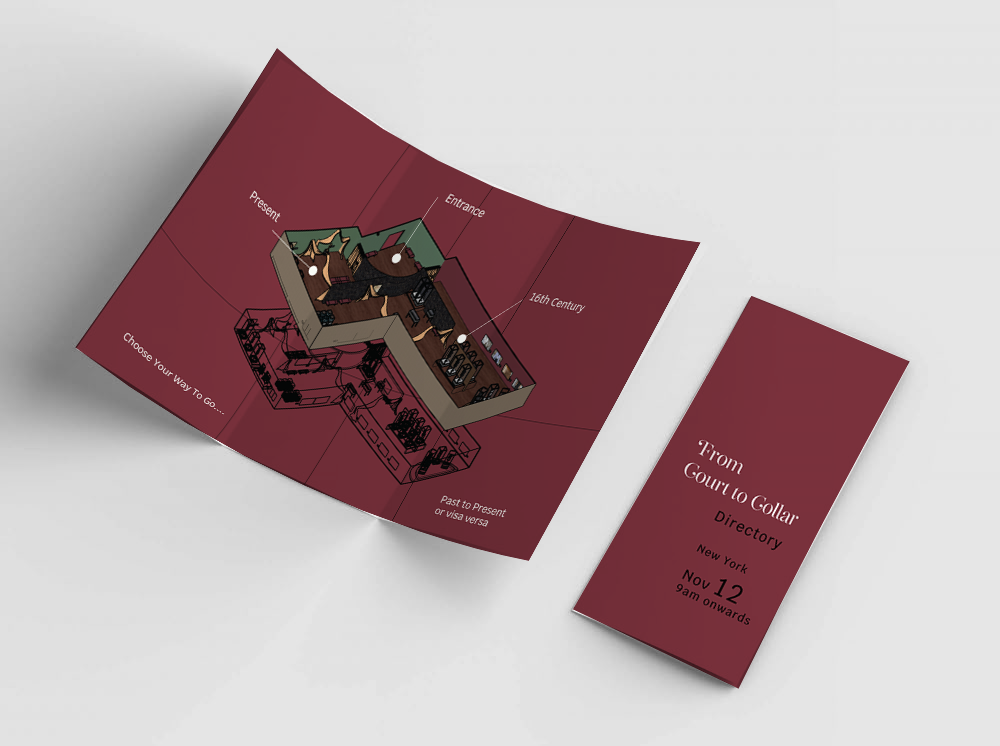
The identity, poster and folding directory guide visitors through the galleries, letting them choose their own route: past to present, or the reverse.

Museum Exhibit — From Court to Collar

Journey of the Kamarbandh.

From Court to Collar is an exhibition concept for FIT, State University of New York, tracing the kamarbandh, the ornamental waist belt of Indian court dress, from its 16th century origins to its place in present day fashion. The show runs November 10, 2025 to January 10, 2026.

The identity draws its palette from the object itself: a deep green field, maroon and copper bands, and floral ornament that wraps the title like the belt wraps the body. A folding directory gives visitors a map of the galleries and lets them choose how to move: past to present, or the reverse.
Hanging poster for From Court to Collar, Journey of the Kamarbandh, on a green field with copper and maroon floral bands, dated November 10, 2025 to January 10, 2026
Fig. 01Exhibition poster: the title sits between two ribbons of copper and maroon floral ornament.
Unfolded maroon exhibition directory showing an isometric floor plan with Entrance, 16th Century and Present, beside the folded cover reading From Court to Collar Directory, New York, Nov 12, 9am onwards
Fig. 02Folding directory: an isometric plan marks the Entrance, 16th Century and Present galleries. “Choose your way to go… past to present or vice versa.”

Identity & Collateral

Ornament, ticketed and tagged.

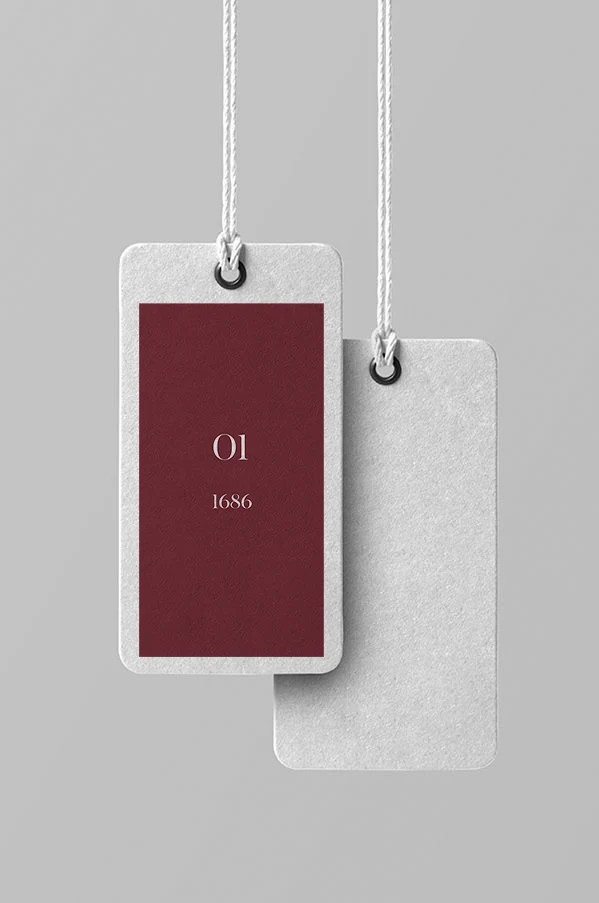
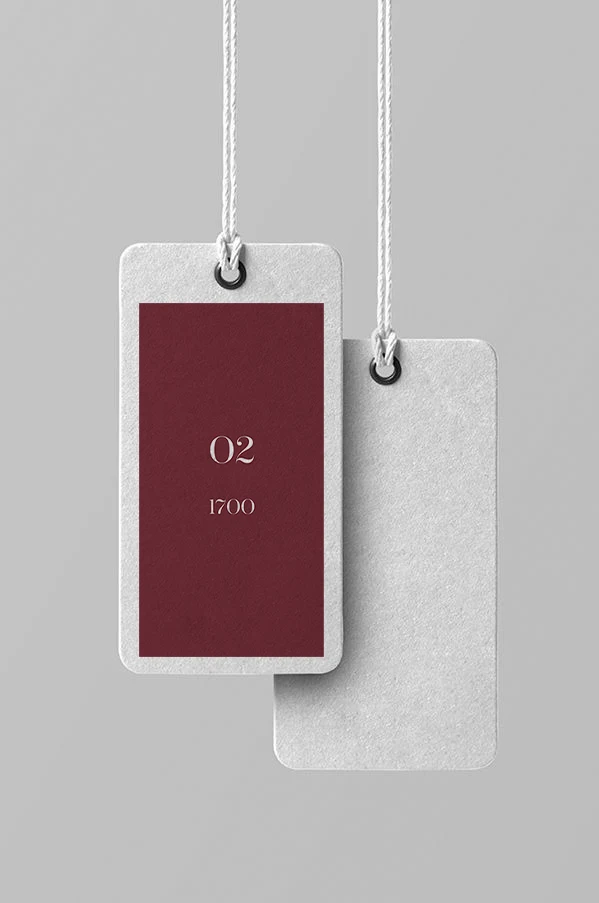
The same green, maroon and copper system carries onto the smaller pieces a visitor actually holds. An admission ticket frames the two ends of the story, a court sash and a black tie cummerbund, around the FIT mark, while hang tags number each object and date it, starting at 1686.
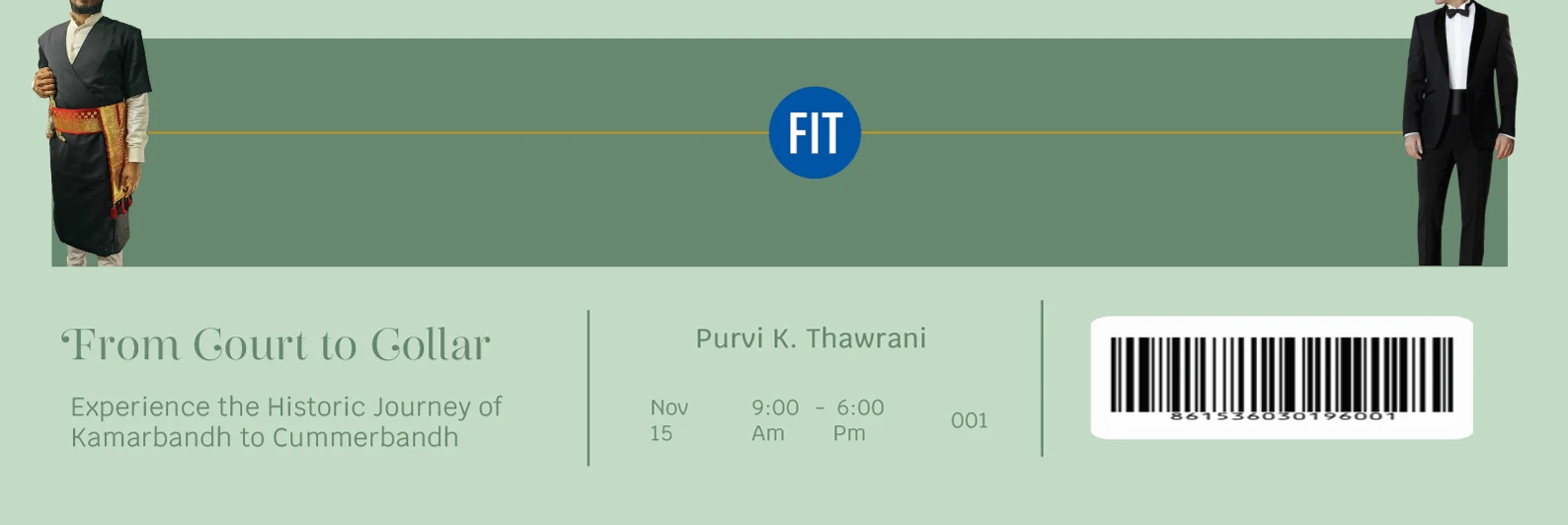
Admission ticket for From Court to Collar with the FIT logo between a figure in a court sash and a figure in a tuxedo, showing the visitor name, date and time, and a barcode
Fig. 03Admission ticket: a figure in court dress on the left and one in a tuxedo on the right, joined by a single copper line through the FIT mark.
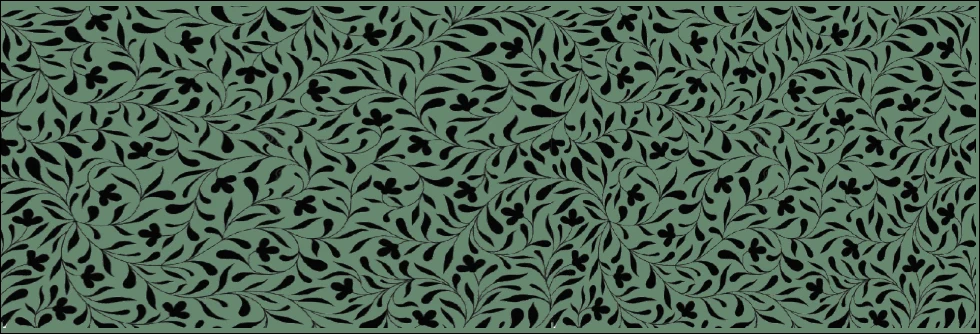
Black leaf and flower pattern on a sage green field
Fig. 04Leaf and flower pattern, the ornament that wraps the title and the poster.
Hang tag in maroon reading 01, 1686
Fig. 05Object tag 01, 1686.
Hang tag in maroon reading 02, 1700
Fig. 06Object tag 02, 1700.

Mobile Companion

The guide in your pocket.

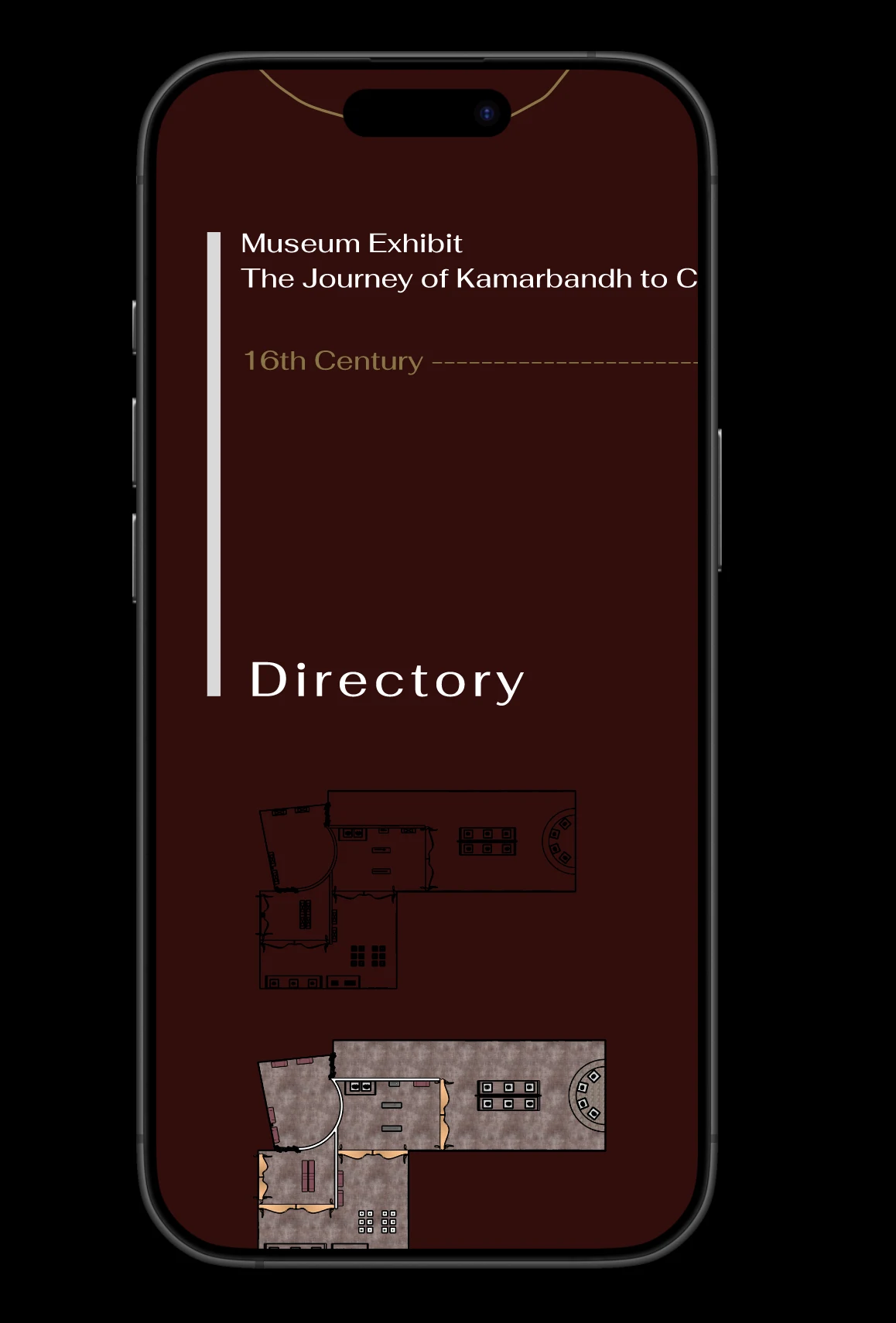
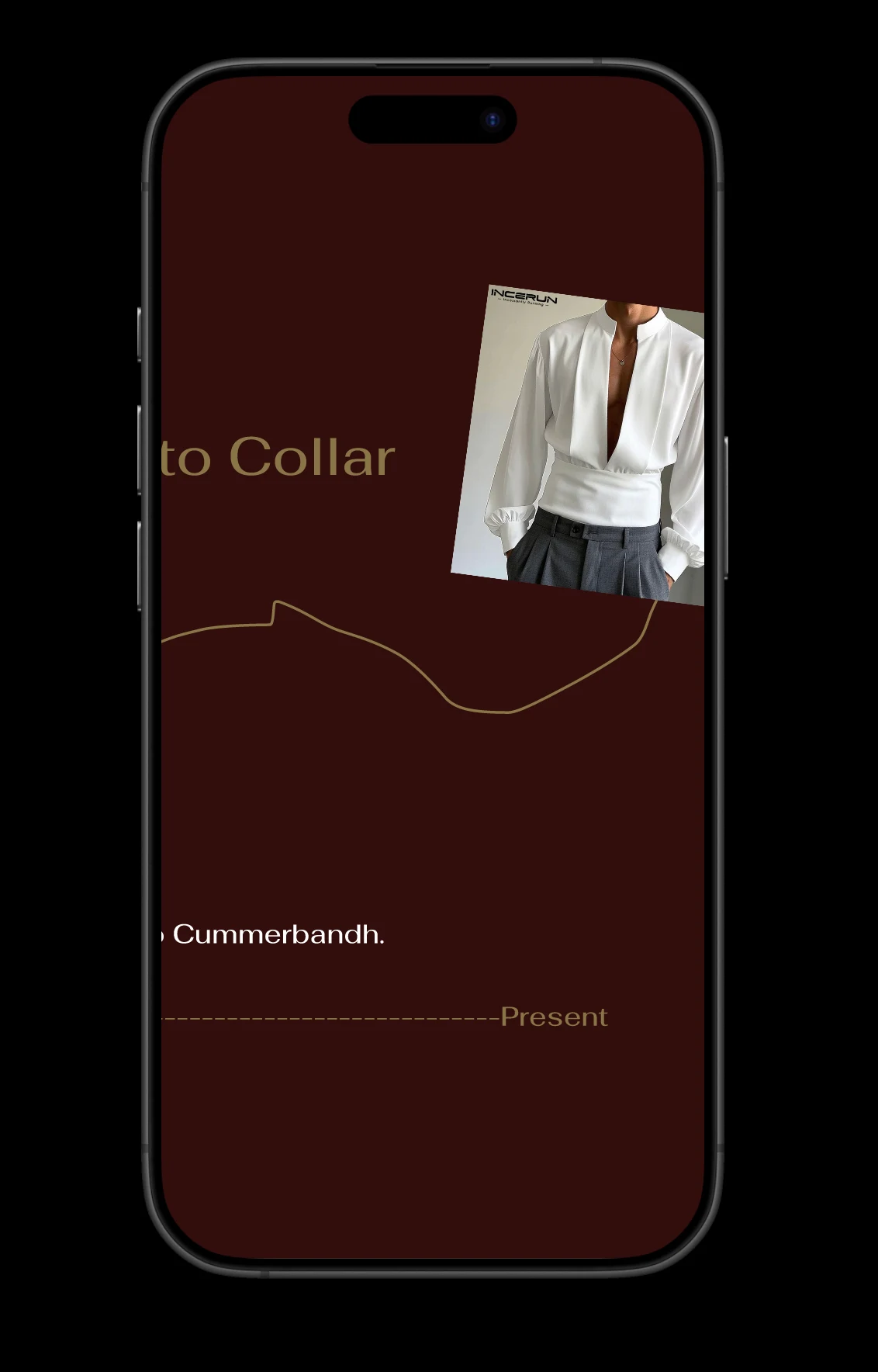
A mobile companion carries the exhibit title, “The Journey of Kamarbandh to Cummerbund”, and a timeline that runs from the 16th Century to the Present. A directory screen shows the gallery plan, so visitors can decide where to begin.
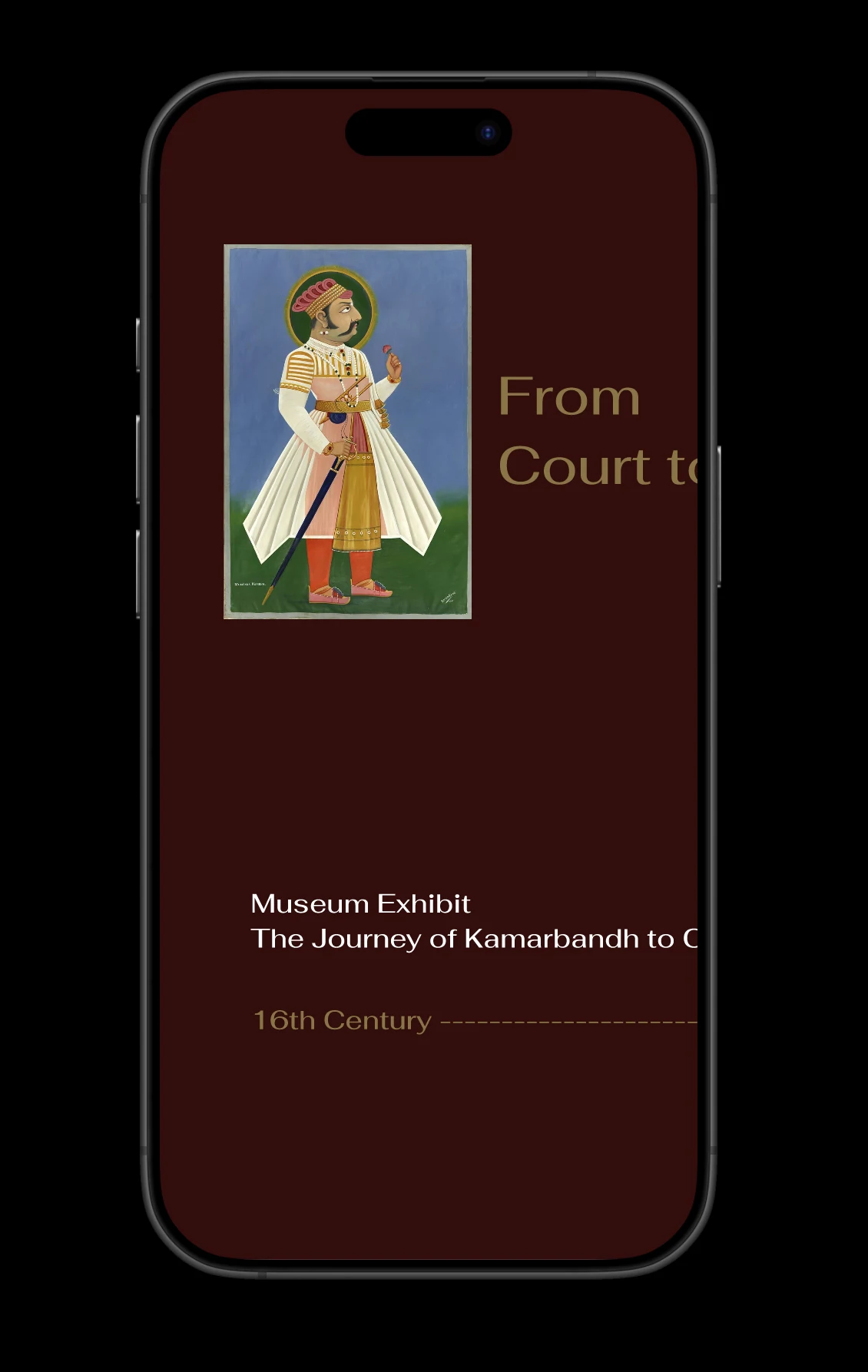
Phone screen on a deep maroon background showing a 16th Century court portrait of a standing figure beside the title From Court to Collar
Fig. 07Opening screen: a court portrait leads into the title.
Phone screen showing the title to Collar, a modern white shirt with a cinched waistband, and a dashed timeline ending at Present
Fig. 08The same title, a present day shirt with a cinched waist, and the timeline ending at Present.
Phone screen headed Museum Exhibit, The Journey of Kamarbandh, with a 16th Century timeline and a Directory showing the gallery floor plan in outline and in color
Fig. 09Directory screen: the gallery plan in outline and in color.

Spatial Plan

An L-shaped route through time.

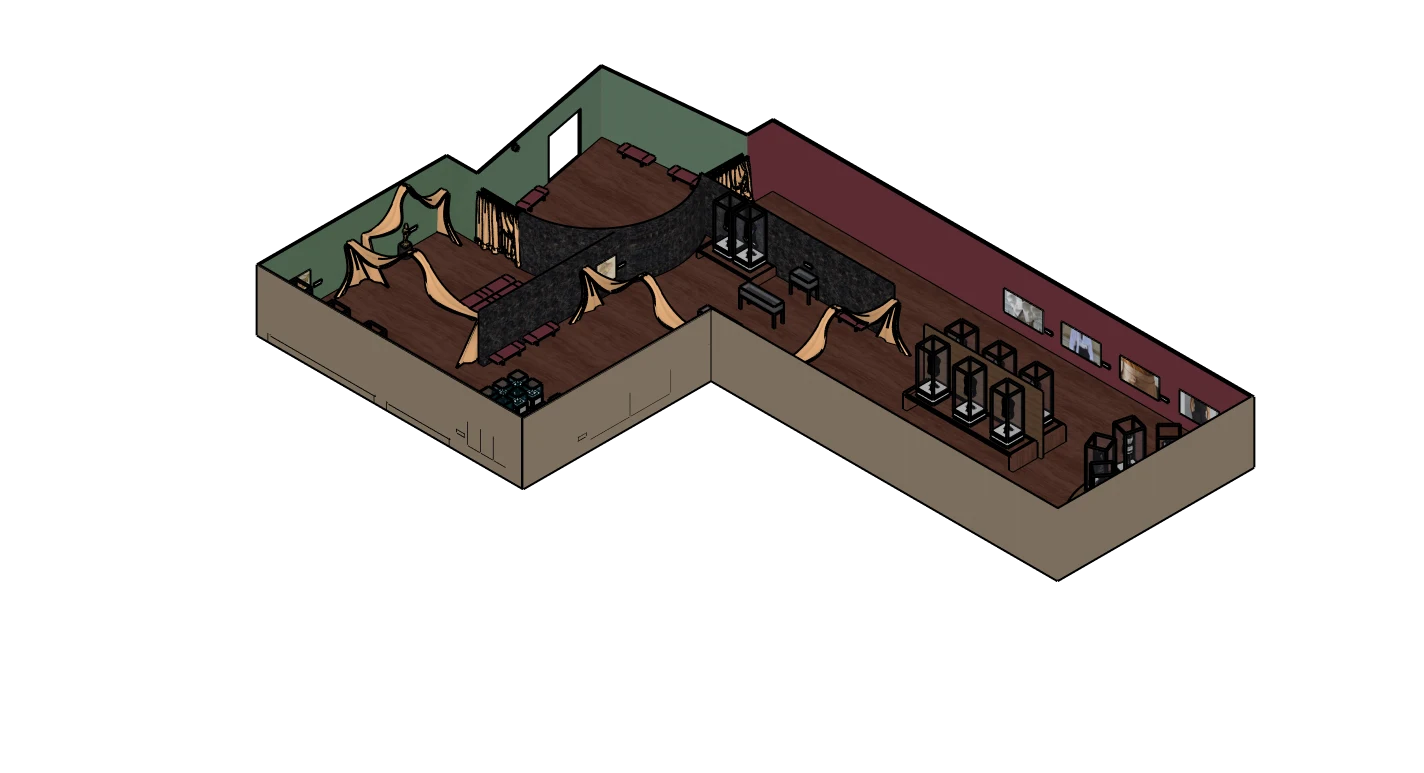
The galleries are laid out as an L-shaped route. A green entry room opens through a curved partition into the 16th Century galleries, and the long maroon hall carries the story forward to the present. Curtains of copper fabric soften the thresholds between rooms.
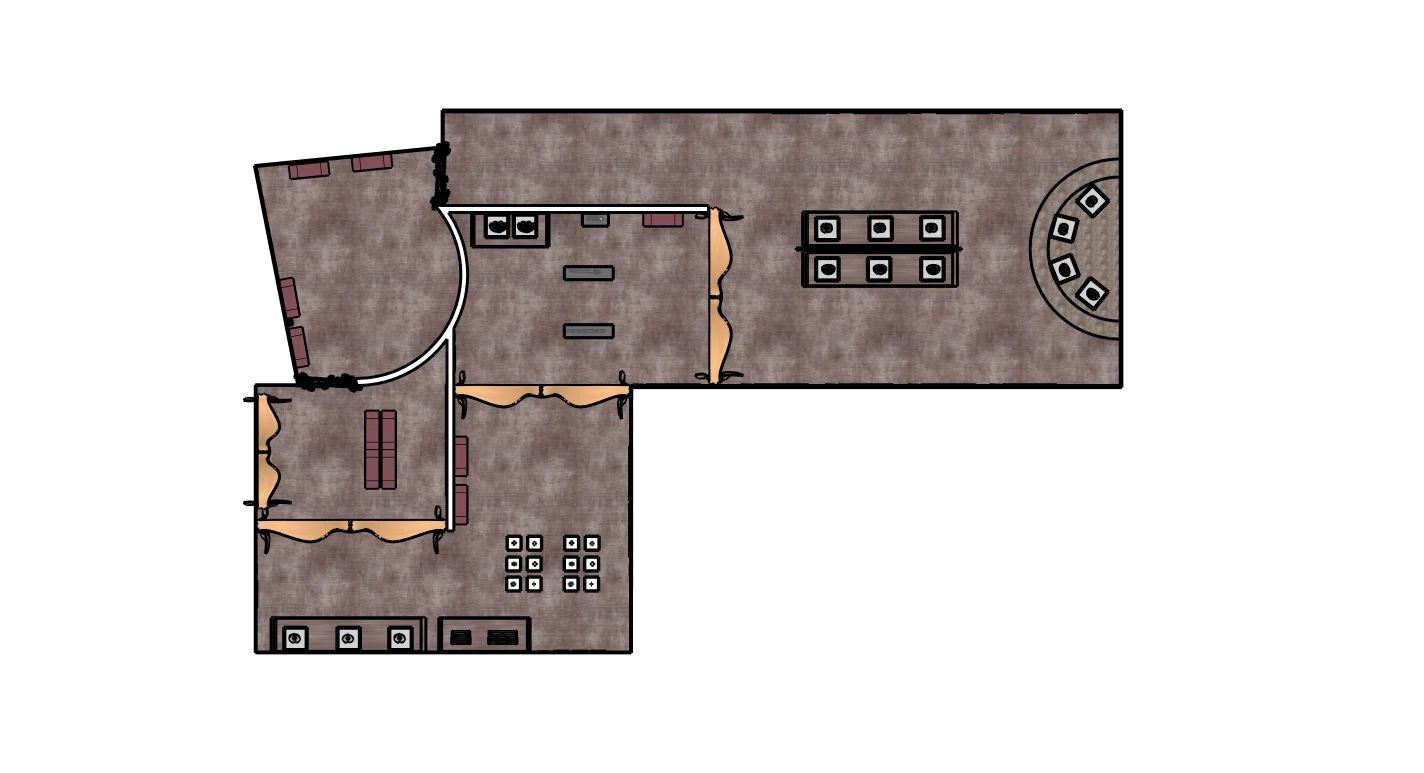
Top down floor plan of the exhibition galleries with display cases, benches and a circular dais
Fig. 10Plan view: four connected rooms, display cases and a circular dais at the end of the long hall.
Isometric cutaway of the exhibition with green, black marble and maroon walls and copper drapes
Fig. 11Isometric view: green, black marble and maroon walls mark the change from room to room.
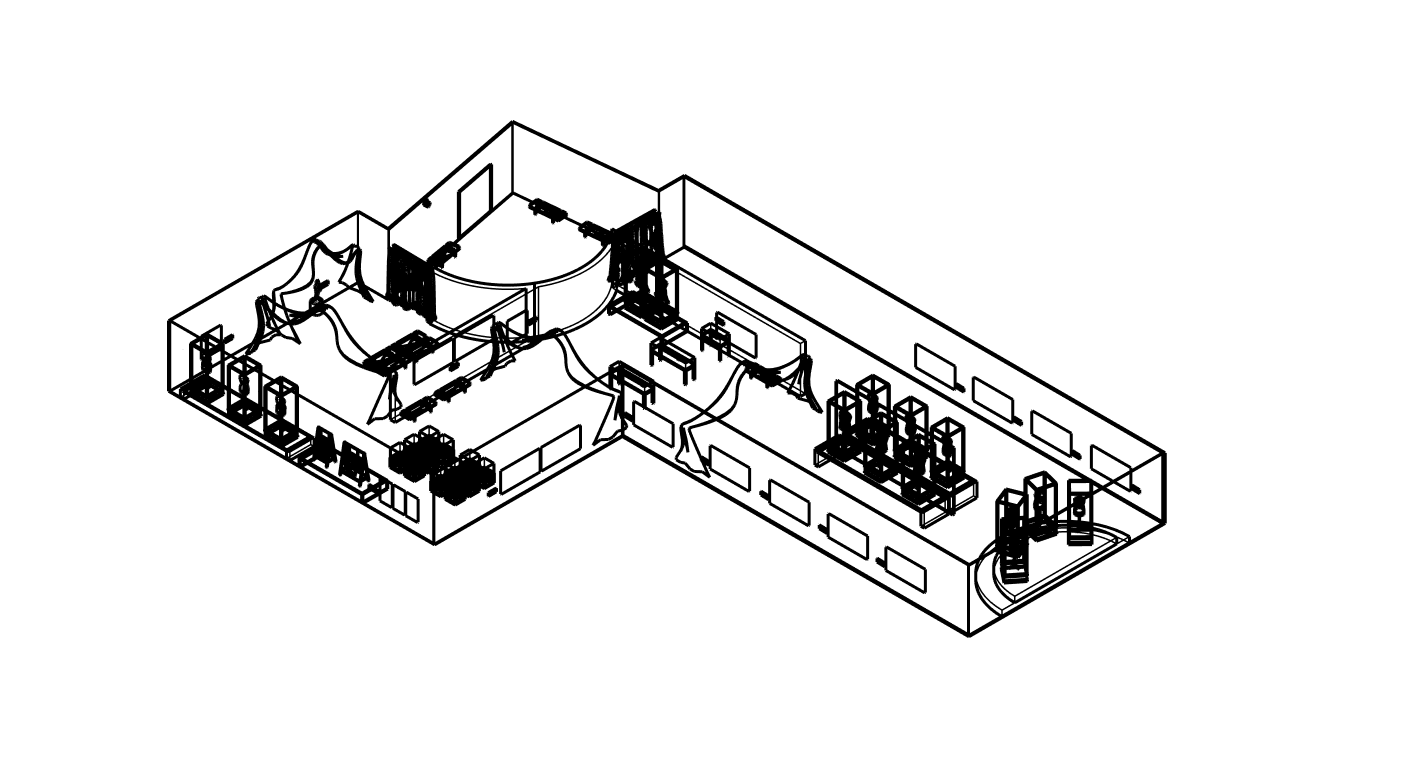
Isometric wireframe drawing of the exhibition galleries
Fig. 12Wireframe: the model as drawn, before materials and light.

Walkthrough Renders

Inside the galleries.

The model was rendered as a walkthrough, from an aerial view of the whole floor down to eye level. Each room has its own color and light: a green gallery lit by a single spot for the bronze figure, black marble for the military and formal wear, and a maroon hall for the 20th century.
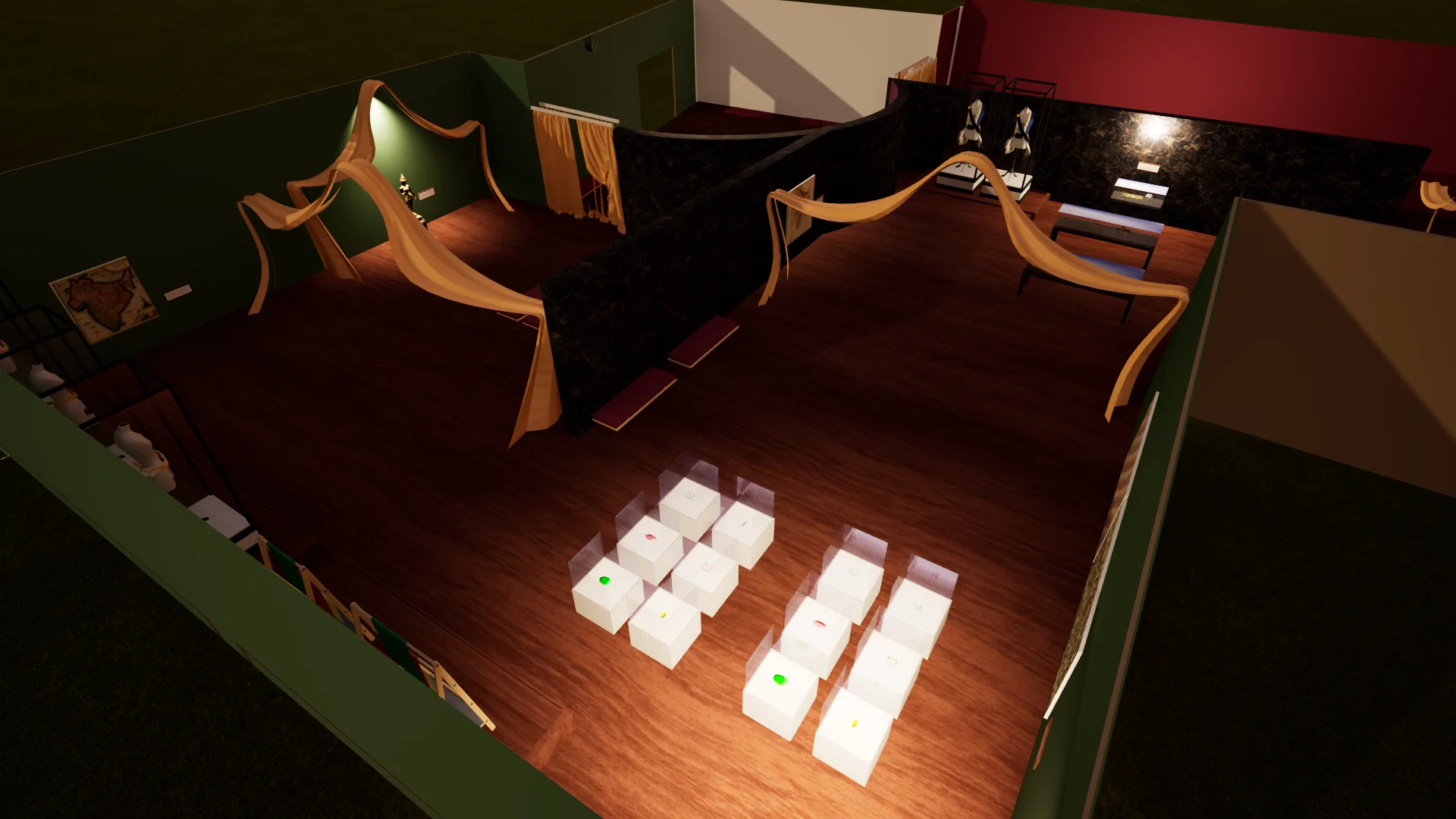
Aerial render of the exhibition with green and maroon walls, black marble partitions, copper drapes and rows of white display cubes on a wood floor
Fig. 13Aerial view: the full floor, with display cubes in the foreground and the marble partition dividing the route.
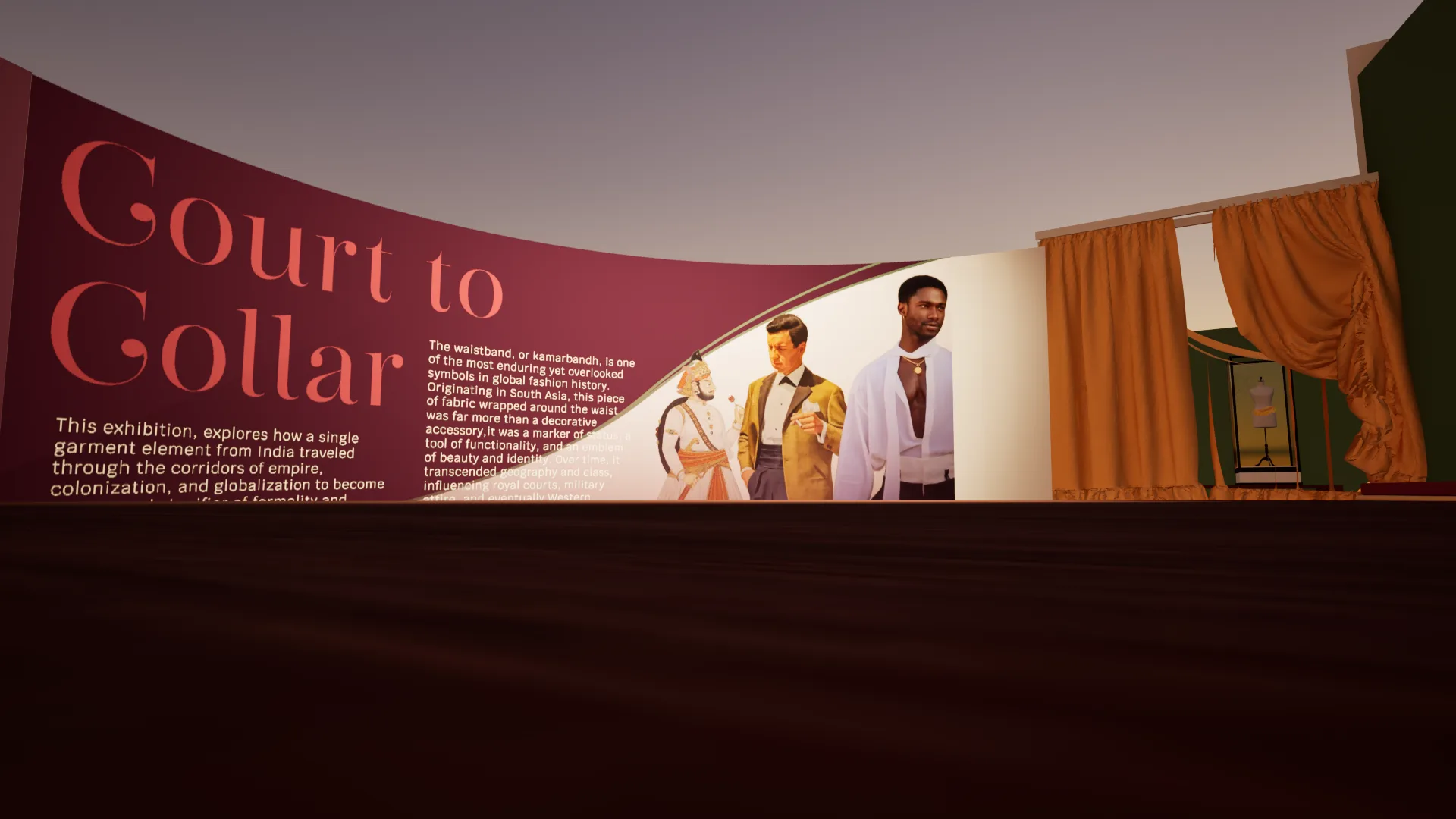
Curved maroon wall with the large title Court to Collar, exhibition text and a graphic of three men in historic and modern dress, beside copper curtains
Fig. 14The opening wall: the title, the exhibition statement and three figures across time.
Bronze standing figure on a black plinth under a spotlight against a green wall framed by copper drapes, with a wall label beside it
Fig. 15The green gallery: a single bronze figure under a spotlight, framed by copper drapes.
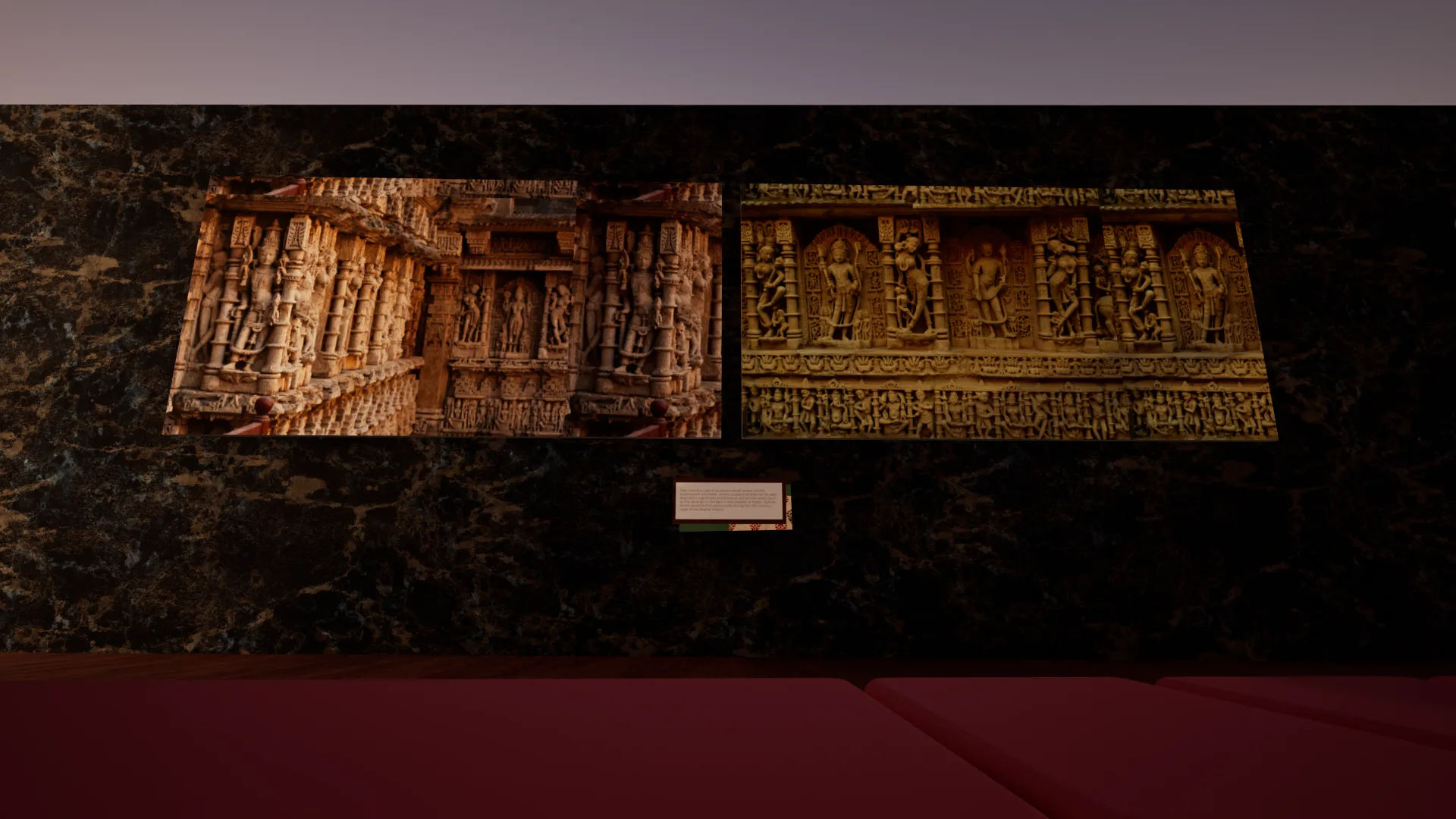
Two framed photographs of carved stone temple walls on a black marble wall with a small label below
Fig. 16Carved stone reliefs on black marble, with a label below that points to how the sash appears in sculpture.
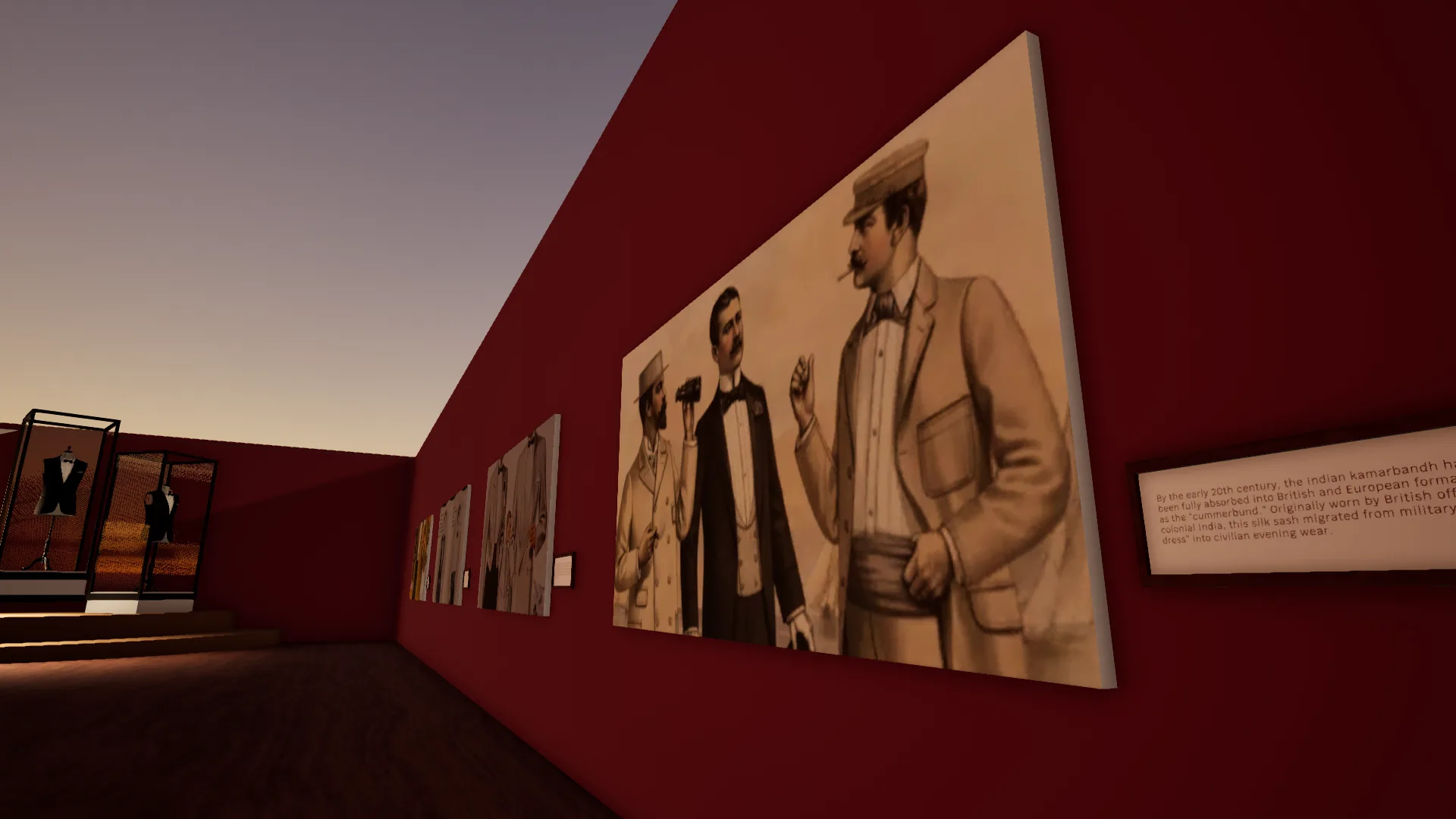
Large sepia illustration of three men in coats and bow ties on a maroon wall, with a label about the kamarbandh becoming the cummerbund
Fig. 17The 20th century wall: the label explains how the kamarbandh became the “cummerbund” in formal evening wear.
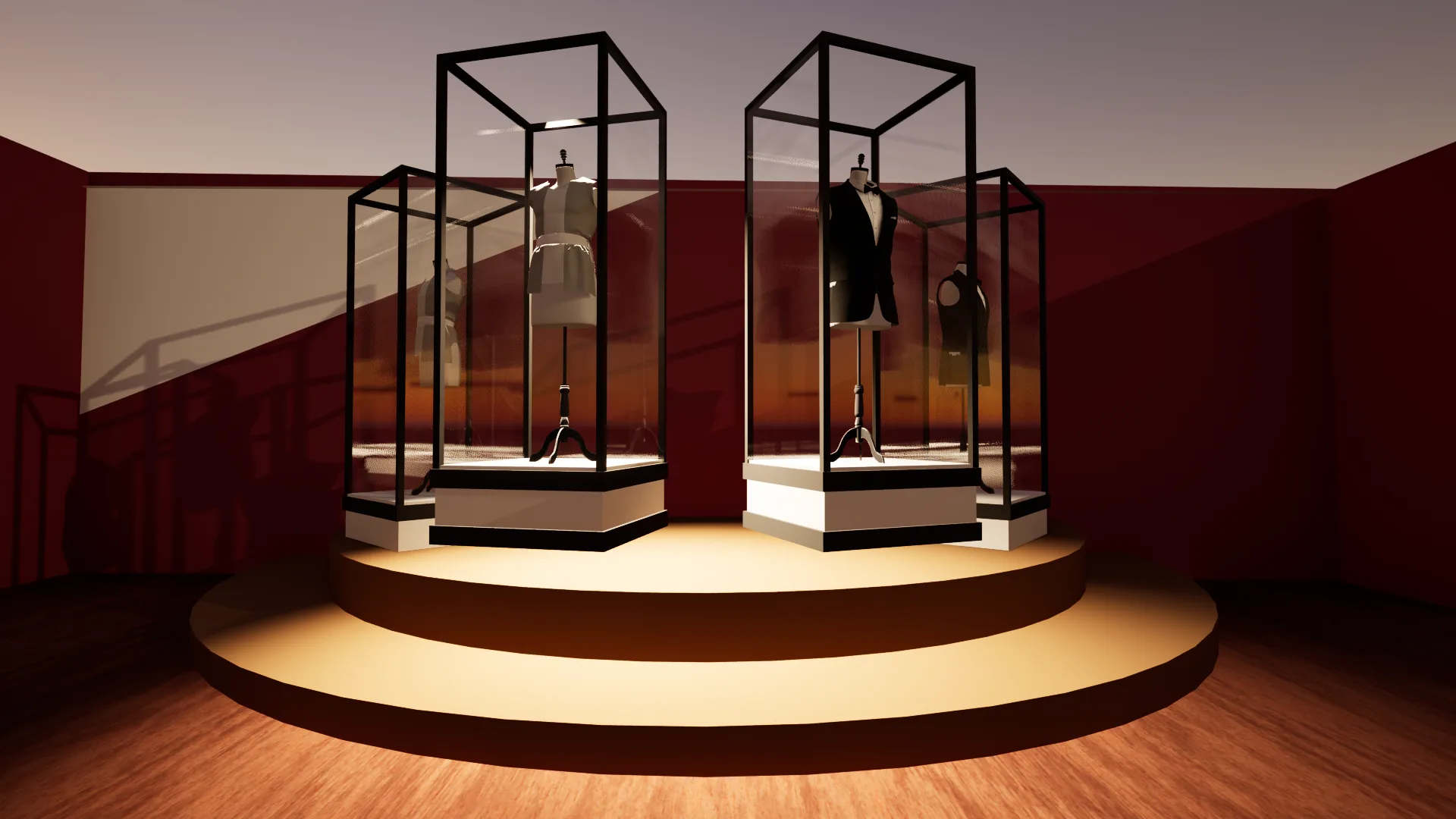
Circular two step dais with four glass display cases holding mannequins in a tuxedo and other formal garments
Fig. 18The dais: four glass cases on a circular stage, lit from above.
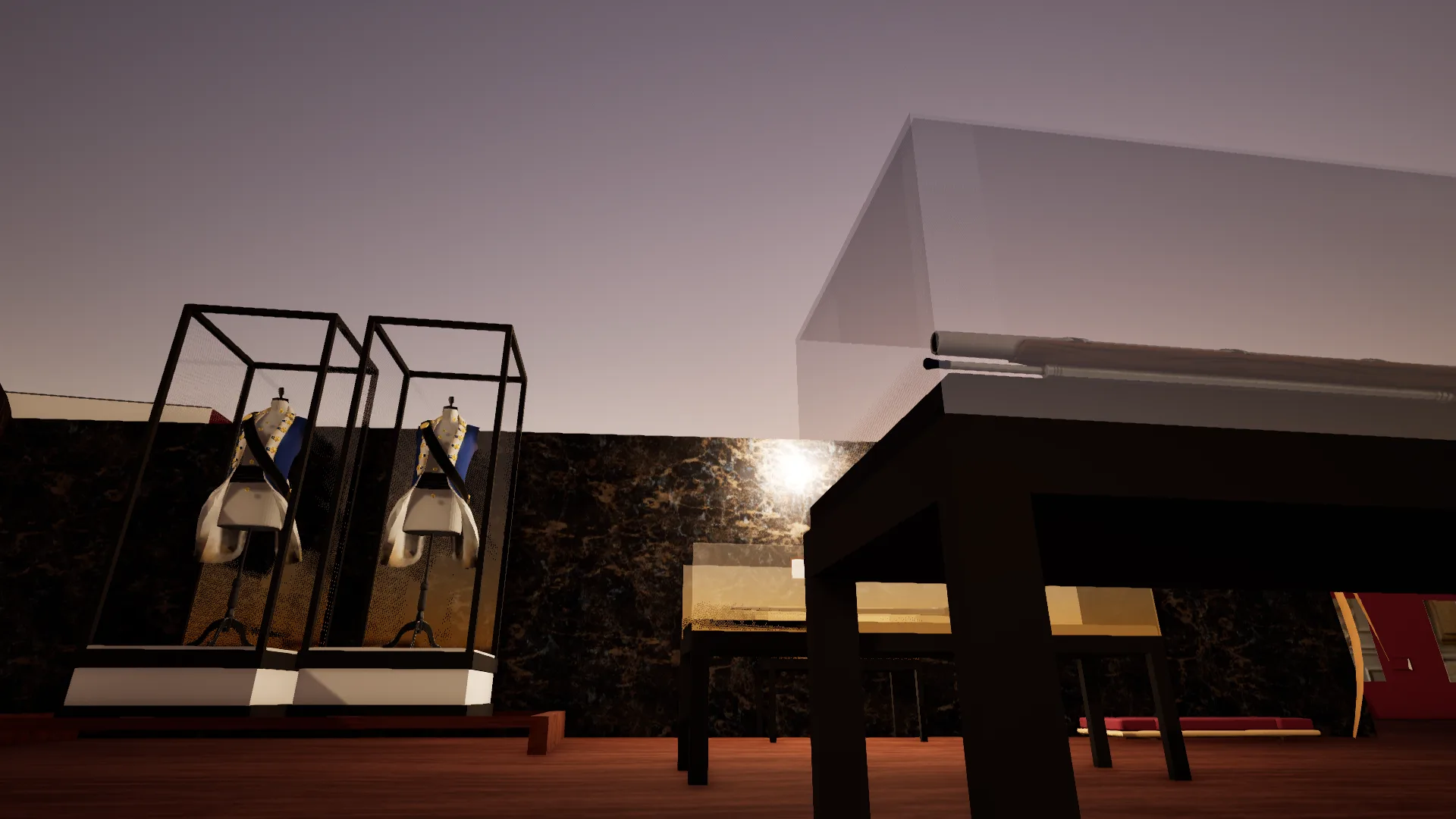
Two glass cases with mannequins in white and blue uniform coats beside a display table with a long rifle under glass
Fig. 19Military dress: uniform coats in glass cases, beside a table case with a period rifle.
← All Work2024–25